Weight loss is a common goal for many women, but it is essential to recognize that the female body has its own unique challenges and requirements when it comes to shedding pounds. Understanding these intricacies and tailoring weight loss strategies accordingly can greatly enhance the effectiveness of a woman's weight loss journey.
One of the primary factors that sets the female body apart from its male counterpart is hormones.
Hormonal fluctuations throughout the menstrual cycle can significantly impact a woman's metabolism, appetite, and overall energy levels. These hormonal shifts can lead to cravings, water retention, and mood swings, making weight-loss efforts more challenging.
During the second half of the menstrual cycle, levels of the hormone progesterone increase, which can lead to increased appetite and cravings for calorie-dense foods. This hormonal change often occurs in the week before menstruation, commonly known as the premenstrual phase or "PMS week."
Understanding and managing these hormone-related challenges is crucial. Recognizing that these cravings are a natural response to hormonal changes rather than a lack of willpower can help women make healthier food choices and avoid excessive calorie intake during this phase.
Muscle Mass and Fat Distribution
The female body typically has a higher percentage of body fat and less muscle mass than males. Muscle plays a vital role in boosting metabolism and burning calories, so a higher muscle mass generally leads to a more efficient weight-loss process.
Women should focus on strength-training exercises to build muscle mass. Contrary to popular belief, lifting weights will not make women "bulky" or overly muscular. Instead, it will help tone and sculpt their bodies while accelerating weight loss by increasing the body's calorie-burning capacity.
Furthermore, women tend to store fat differently than men. While men often accumulate fat in their abdominal region (android or apple-shaped), women predominantly store fat in the hips, buttocks, and thigh area (gynoid or pear-shaped). This difference in fat distribution affects how women lose weight, as these areas often hold on to fat more stubbornly.
$29.99
$19.95
4.72 out of 5 stars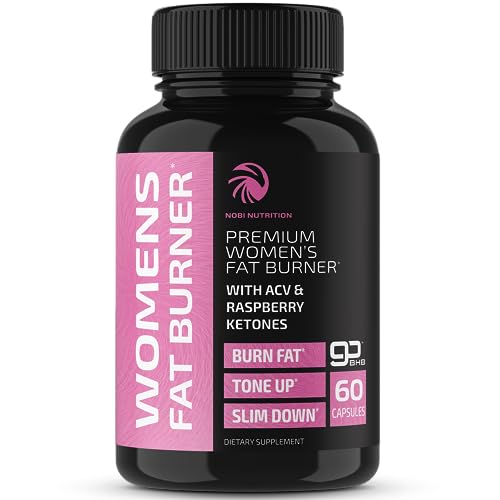
Women's Belly Fat Burner | Metabolism Booster & Suppressant
Supercharge your weight loss journey with our Women's Belly Fat Burner - the ultimate metabolism booster and appetite suppressant
Product information
Product Review Score
Product links
The Role of Stress
Stress has a profound impact on weight loss for women. Elevated stress levels can lead to increased cortisol production, a hormone that promotes fat storage, particularly in the abdominal area. Women are more likely to experience stress due to various factors like work, family responsibilities, and societal pressures.
Combining stress management techniques, such as meditation, yoga, and deep breathing exercises, with dietary and exercise approaches can be beneficial for women seeking weight loss. Addressing stress factors and finding healthy ways to cope with them can significantly contribute to overall well-being and weight management.
Menopause and Weight Gain
As women approach menopause, they often experience a shift in their hormonal balance. Estrogen levels decrease, which can cause weight gain, particularly around the abdomen. Slowing metabolism and a loss of muscle mass further compound the challenges women face going through menopause.
During this phase, focusing on regular exercise, particularly strength training, becomes increasingly important to maintain muscle mass and counteract the natural metabolic decline. Additionally, options to consider include supporting the body's hormonal balance through a nutrient-rich diet and potentially discussing hormone replacement therapy with a healthcare professional.
The Importance of Individualization
Every woman's body is unique, and weight-loss strategies must be tailored to individual needs and circumstances. What works for one person may not yield the same results for another. Experimenting with different approaches, tracking progress, and adjusting accordingly is vital to finding an effective weight loss plan.
Seeking guidance from a registered dietitian, personal trainer, or healthcare professional experienced in women's health can provide valuable insights and personalized recommendations.
Understanding the challenges and nuances of weight loss specific to the female body empowers women to embark on their journey with knowledge and confidence. Embracing these unique aspects and leveraging them to their advantage can help women achieve their weight-loss goals while nurturing a healthy relationship with their bodies.
Science-backed Weight Loss Strategies
Weight loss can be challenging for women, but with science-backed strategies and techniques, it can become a more achievable and successful endeavour.
Here are some must-try tips and techniques to help women effectively lose weight:
1. Create a Calorie Deficit
One of the fundamental principles of weight loss is to create a calorie deficit. This means consuming fewer calories than your body needs for daily activities, forcing it to burn stored fat for energy. Calculate your daily calorie needs based on your activity level and aim to reduce your intake by around 500–1000 calories per day.
2. Focus on Balanced and Nutrient-Dense Meals
Instead of crash diets or extreme restrictions, prioritize balanced and nutrient-dense meals. Include a variety of fruits, vegetables, whole grains, lean proteins, and healthy fats in your diet. These foods provide essential nutrients and help keep you fuller for longer, reducing the chances of overeating.
3. Practice Mindful Eating
Mindful eating involves paying full attention to your eating experience, including food's taste, texture, and smell. Slow down, savor each bite, and listen to your body's hunger and fullness cues. By practicing mindful eating, you'll become more in tune with your body, making it easier to make healthier choices and avoid emotional eating.
4. Incorporate Regular Exercise
Exercise is crucial for not only weight loss but also overall health and well-being. Incorporate both cardiovascular exercises, such as running or cycling, and strength training exercises, like weightlifting or yoga, into your routine. Aim for at least 150 minutes of moderate-intensity exercise or 75 minutes of vigorous exercise per week.
Check out the womens fitness advice here
5. Prioritize Adequate Sleep
Getting enough quality sleep is often overlooked, but it plays a significant role in weight management. Lack of sleep can disrupt hunger and satiety hormones, leading to increased cravings and overeating. Aim for 7-9 hours of uninterrupted sleep every night to support your weight-loss efforts.
6. Stay Hydrated
Drinking enough water is crucial for overall health and can also aid in weight loss. Water helps boost metabolism, curb appetite, and reduce calorie intake when consumed before meals. Carry a water bottle with you throughout the day and aim to drink at least 8 cups (2 liters) of water daily.
7. Manage Stress Levels
Chronic stress can sabotage weight loss efforts by increasing cravings for unhealthy foods and promoting emotional eating. Find healthy ways to manage stress, such as practicing yoga, meditation, or engaging in hobbies that bring you joy. Prioritizing self-care and relaxation techniques can help you maintain a more balanced approach to weight loss.
Remember, weight loss is a personal journey, and what works for one woman may not work for another. It's essential to consult with a healthcare professional or registered dietitian before starting any new weight loss plan to ensure it aligns with your individual needs and health goals.
By incorporating these science-backed strategies into your lifestyle, you can set yourself up for sustainable and effective weight loss. Stay committed, be patient with yourself, and celebrate each small victory along the way, knowing that you are taking positive steps towards a healthier and happier you.
Read about nurturing a healthy lifestyle