In a world where what we eat shapes both our well-being and the health of our environment, sustainable diets offer a practical, attainable way to nourish ourselves while reducing our ecological footprint. This article breaks down what sustainable diets are, why they matter, and how to combine smart nutrition with regular exercise for a healthier you and a healthier planet.
What is a Sustainable Diet?
A sustainable diet is one that:
- Meets nutritional needs for health and energy.
- Uses resources efficiently (land, water, energy) with minimal waste.
- Minimizes environmental impact (lower greenhouse gas emissions, reduced pollution).
- Supports social equity (fair wages for workers, accessible foods for communities).
In practice, sustainable eating emphasizes plant-forward choices, mindful sourcing, and minimizing food waste—without sacrificing flavor or enjoyment.
The Why: Why Sustainable Diets Matter
Health benefits
- Greater emphasis on fruits, vegetables, whole grains, legumes, nuts, and seeds is linked to lower risks of heart disease, diabetes, certain cancers, and obesity.
- Choosing lean proteins and healthy fats supports energy, brain function, and mood.
- Balanced meals help stabilize energy levels and reduce cravings.
Environmental benefits
- Producing plant-based foods generally requires less water and land and produces fewer greenhouse gases than many animal-based products.
- Reducing meat and dairy consumption can significantly cut an individual’s carbon footprint.
- Reducing food waste means fewer discarded resources and less methane from landfills.
Social and economic benefits
- Supporting diverse, local, and fair-trade food systems helps communities thrive.
- Reducing food waste can lower costs for households and institutions.
Core Principles of a Sustainable Diet
-
Prioritize Plants
Fill plate with vegetables, fruits, legumes, whole grains, nuts, and seeds. Plant-based foods often deliver fiber, micronutrients, and phytochemicals that support long-term health. -
Choose High-Quality Proteins
Include a mix of plant-based proteins (beans, lentils, tofu, tempeh, edamame, quinoa) and moderate amounts of animal sources if you choose. Consider seasonal, local options when possible. -
Pick Sustainable Animal Products (When You Do Eat Them)
If you eat animal products, look for sources with lower environmental impact: pasture-raised, grass-fed, or certified sustainable programs. Use them in moderation. -
Mindful Sourcing and Waste Reduction
- Buy only what you can use; plan meals, shop with a list, and store foods properly.
- Use leftovers creatively and compost scraps when possible.
-
Seasonality and Locality
Favor seasonal produce and local producers to reduce transport emissions and support community economies. -
Minimize Highly Processed Foods
Processed foods often require more energy and packaging. Focus on whole or minimally processed options.
The Role of Exercise
Regular physical activity is a cornerstone of a sustainable lifestyle for several reasons:
- Supports weight management and metabolic health: Exercise complements a balanced diet by helping maintain lean mass and insulin sensitivity.
- Boosts energy and mood: Movement releases endorphins and can improve sleep, which in turn supports healthy eating decisions.
- Reduces stress and cravings: Stress can drive unhealthy food choices; physical activity helps manage stress levels.
- Promotes overall longevity and quality of life: Consistent activity reduces the risk of chronic diseases and improves functional capacity.
Practical Exercise Tips
- Aim for a mix of cardio, strength, and flexibility. Examples:
- Cardio: brisk walking, cycling, swimming (150 minutes/week as a baseline, plus more as you can).
- Strength: bodyweight exercises or weights 2–3 times per week.
- Flexibility: daily or near-daily stretching or yoga.
- Make it enjoyable: walk with a friend, dance to your favorite songs, try a new class.
- Integrate movement into daily life: take stairs, park farther away, short movement breaks during work.
Nutrition Tips That Support a Sustainable Diet
- Build plates with color and variety: Half your plate veggies and fruits, a quarter protein, a quarter whole grains or starchy vegetables.
- Choose fiber-rich foods: 25–38 grams of fiber daily supports digestion and heart health.
- Incorporate healthy fats: Prioritize sources like olive oil, avocado, nuts, and seeds; limit highly processed fats.
- Be mindful of portions: Even healthy foods can contribute to excess calories if portions are large.
- Hydration matters: Water supports energy and digestion; flavor with fruits or herbs if you want variety.
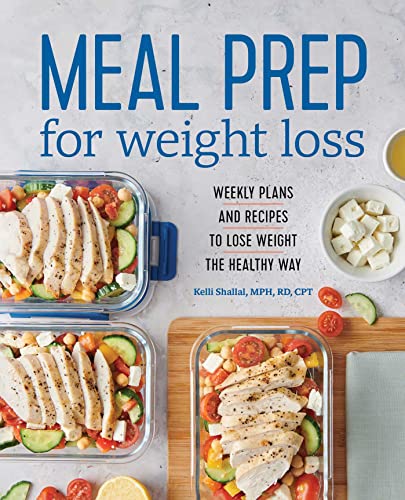
- Plan and prep: A little planning reduces impulse buys and food waste.
- Treat sustainability as a habit, not a punishment: Allow occasional indulgences; balance is key.
Simple, Sustainable Meal Ideas
- Breakfast: Oatmeal topped with berries, chia seeds, and a dollop of yogurt (or plant-based yogurt) with a drizzle of nuts.
- Lunch: Lentil and veggie salad with quinoa, cherry tomatoes, cucumber, spinach, and a lemon-tahini dressing.
- Dinner: Stir-fried tofu or tempeh with mixed vegetables and brown rice or whole-grain noodles.
- Snack: Apple slices with almond butter; roasted chickpeas; a handful of nuts and seeds.
Getting Started: A Gentle Path to Change
- Set small, concrete goals:
- “Eat two plant-based meals this week.”
- “Add a 20-minute walk after dinner.”
- “Plan meals on Sundays to reduce waste.”
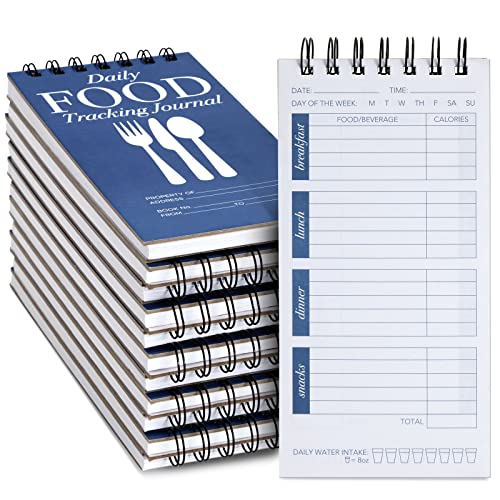
- Track progress, not perfection: A simple log of meals and activity helps you notice patterns.
- Build a sustainable pantry: Keep a stock of staple plant-based proteins, grains, canned legumes, frozen veggies, and healthy fats.
- Create a balanced mindset: Focus on nourishment and enjoyment rather than deprivation.
- Engage your support network: Share goals with friends or family, or join a community garden or cooking club.
Common Myths Debunked
- Myth: Sustainable eating is expensive.
- Reality: With planning, plant-based staples like beans, lentils, oats, and seasonal produce are often cost-effective. Reducing waste saves money too.
- Myth: You must be vegan to be sustainable.
- Reality: Small shifts add up. Even modest reductions in meat and dairy can have meaningful environmental benefits.
- Myth: Exercise is optional with a bad diet.
- Reality: Diet and exercise reinforce each other. Consistency in both yields the best health outcomes.
A Quick Assessment: Is Your Diet Sustainable?
- Do you eat mostly plants with occasional animal products in moderate amounts?
- Do you shop with a plan and reduce food waste?
- Do you support local, fair, and sustainable producers when possible?
- Do you engage in regular physical activity that you enjoy?
If you answered yes to most of these, you’re on a solid path.
Final Thoughts
Sustainable diets aren’t about perfection or preaching deprivation. They’re about making informed, enjoyable choices that support your health and the planet’s future. Pairing a plant-forward eating pattern with regular exercise creates a powerful synergy: you feel better day to day, while you contribute to a more sustainable world.
Men discover How to stay motivated on your weight loss journey