Fasting has gained significant attention as a potential solution for weight loss, offering not only physical benefits but also a range of positive metabolic effects. This comprehensive guide aims to provide you with authoritative insights into the science behind fasting and weight loss, enabling you to make informed decisions about incorporating fasting into your weight loss journey.
What is Fasting and How Does it Work?
Fasting refers to a deliberate period of time during which an individual abstains from consuming food or specific nutrients. By restricting caloric intake, fasting triggers a series of physiological changes in the body, ultimately leading to weight loss. We explore the various fasting methods, including intermittent fasting, alternate-day fasting, and extended fasting, to help you identify the approach that best suits your needs.
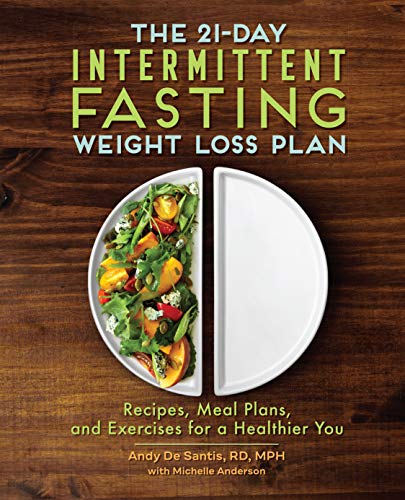
21-Day Intermittent Fasting Plan for Healthier Weight Loss
Transform your body with our 21-Day Intermittent Fasting Plan for Effective Weight Loss
Product information
$18.15 $15.32
Product Review Score
4.17 out of 5 stars
115 reviewsProduct links
The Key Mechanisms Behind Fasting and Weight Loss
Hormonal Regulation: Fasting enhances insulin sensitivity, reduces insulin levels, and promotes the release of growth hormone, which aids in fat burning.
Metabolic Shifts: During fasting, the body switches to burning stored fat for energy due to limited glucose availability, leading to increased fat oxidation.
Cellular Autophagy: Fasting stimulates a process called autophagy, where damaged cells are broken down and recycled, promoting overall cellular health and longevity.
The Impact of Fasting on Weight Loss
Calorie Restriction vs. Fasting: While both methods reduce caloric intake, fasting offers unique advantages by improving adherence, reducing muscle loss, and boosting metabolic rate.
Fat Loss and Muscle Preservation: Fasting helps preserve lean muscle mass by promoting an increase in human growth hormone (HGH) levels, allowing your body to burn stored fat while preserving muscle tissue.
Enhanced Metabolic Rate: Fasting can increase your metabolic rate, preventing the dreaded weight loss plateau and allowing you to continue efficiently burning calories.
Psychological Aspects and Sustainability:
Psychological Benefits: Fasting can improve mental clarity, focus, and overall mood, offering a positive mindset during your weight loss journey.
Sustainability and Long-Term Success: We provide practical tips on how to incorporate fasting into a sustainable lifestyle, emphasizing the importance of balanced nutrition, regular exercise, and listening to your body's cues.
Safety Considerations and Precautions:
Consulting a Healthcare Professional: Before starting any fasting regimen, it is crucial to consult with a healthcare professional, especially if you have underlying health conditions or are taking medications.
Potential Side Effects: We discuss common side effects associated with fasting, such as hunger, headaches, and temporary changes in energy levels, and provide tips for managing them effectively.
Conclusion:
Fasting offers a scientifically supported approach to weight loss, providing numerous physical and metabolic benefits. However, it is essential to understand the various fasting methods, their impact on weight loss, and the importance of sustainability. By incorporating fasting into a balanced lifestyle, consulting with a healthcare professional, and prioritizing your overall well-being, you can achieve effective and sustainable weight loss results. Take the first step towards a healthier you by unlocking the power of fasting.
References:
Johnson JB, et al. Alternate day calorie restriction improves clinical findings and reduces markers of oxidative stress and inflammation in overweight adults with moderate asthma. Free Radic Biol Med. 2007; 42(5):665-74.
Antoni R, et al. Effect of intermittent fasting on metabolic flexibility in obese subjects. Obesity (Silver Spring). 2018; 26(2): 269–275.
Hartman ML, et al. Augmented growth hormone (GH) secretory burst frequency and amplitude mediate enhanced GH secretion during a two-day fast in normal men. J Clin Endocrinol Metab. 1992; 74(4):757-65.
Li L, et al. Intermittent Fasting Promotes White Adipose Browning and Decreases Obesity by Shaping the Gut Microbiota. Cell Metab. 2017; 26(4): 801–815.e5.